
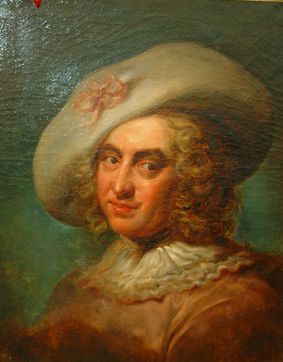
Born in Serez, Normandy, Feb 20, 1705
Died in Paris, Aug 6, 1782
[PRONUNCIATION | NEE-koh-la SHEH-duh-veel]
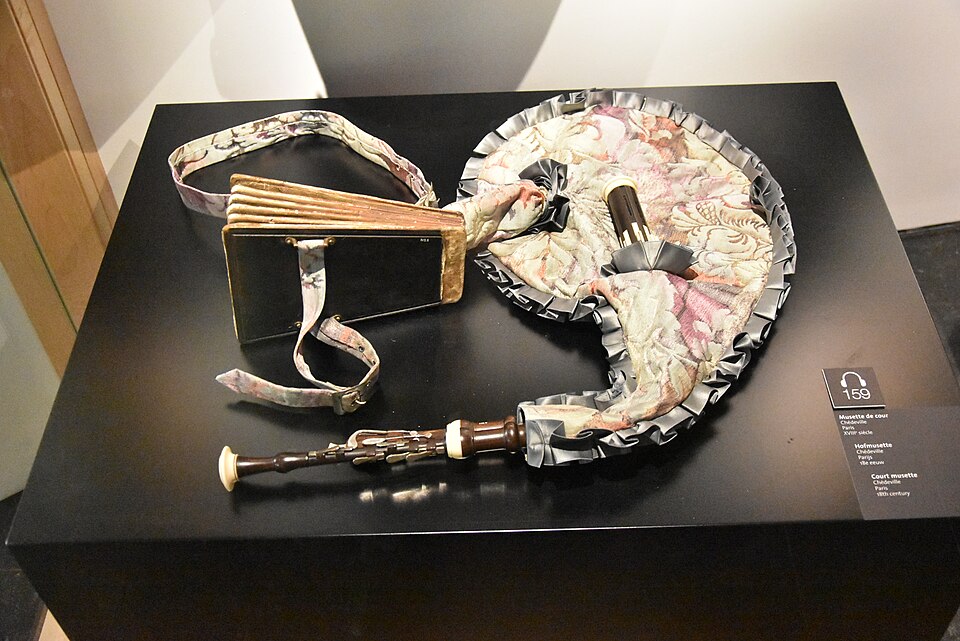
- Nicolas Chédeville was a composer and musette player. A musette (musette de cour) is a bagpipe-like instrument popular in Baroque music.
- Chédeville was popular among the French aristocracy for both his compositions and for teaching the musette.
- During the mid-18th century, romanticizing “peasant” life was fashionable among the French aristocracy (e.g., paintings by Jean-Antoine Watteau), including the music they enjoyed. The musette was embraced as a rustic instrument popularly used for such purposes.
- As a teacher, Chédeville became known as maître de musette des Mesdames de France, and among his students was King Louis XV’s daughter, Princess Victoire.
- For reasons unknown, in 1737, Chédeville had a collection of his own works published under the name of Antonio Vivaldi, titled Il pastor fido. Some historians speculate that Chédeville sought to draw more attention to the musette by attributing music for the instrument to a more well-known composer. The correct authorship of the piece was proven as recently as 1989.1
Sources
- Wikipedia contributors, “Nicolas Chédeville,” Wikipedia, The Free Encyclopedia (2026), accessed January 12, 2026, https://en.wikipedia.org/w/index.php?title=Nicolas_Ch%C3%A9deville&oldid=1331968499.